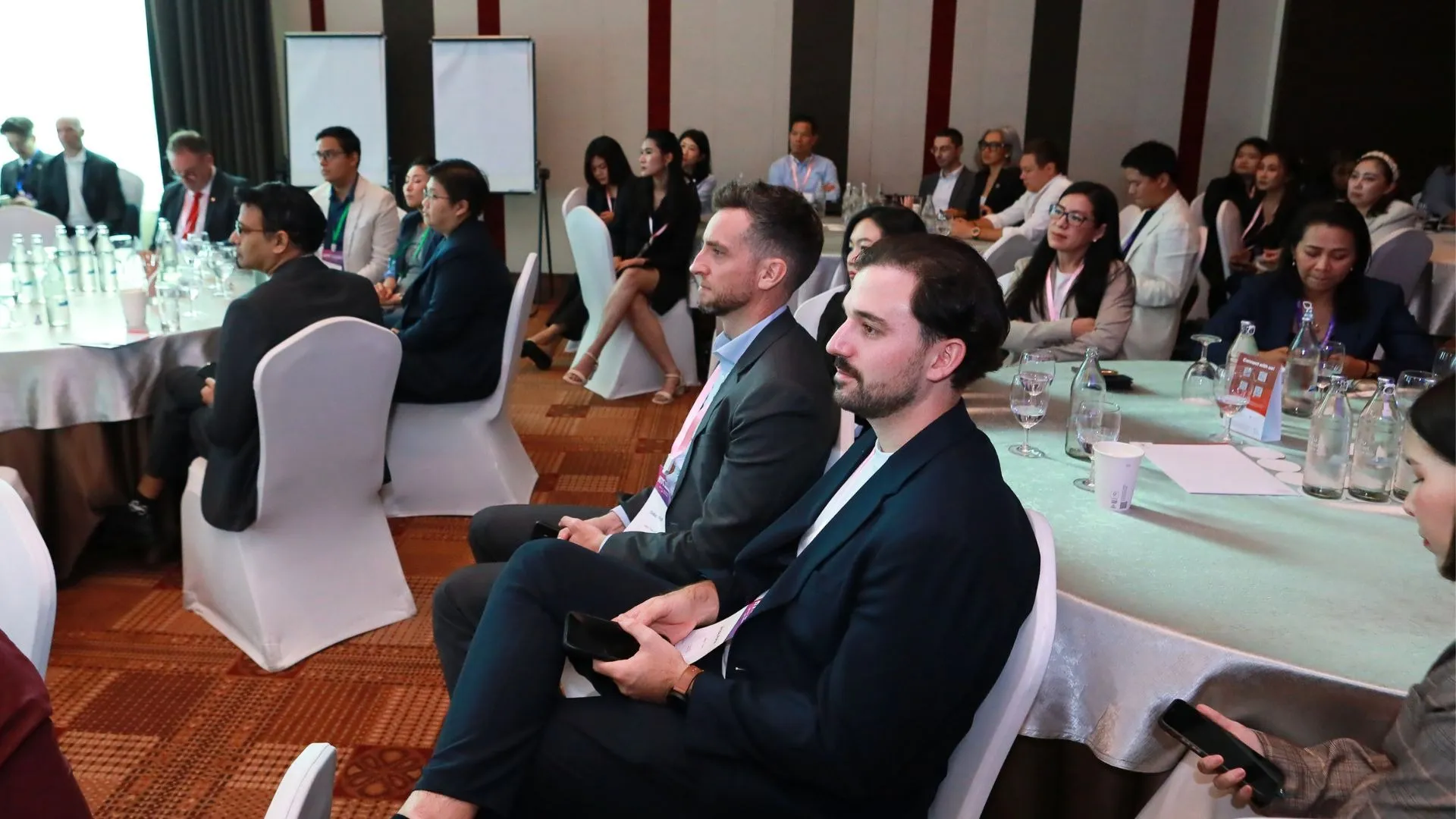
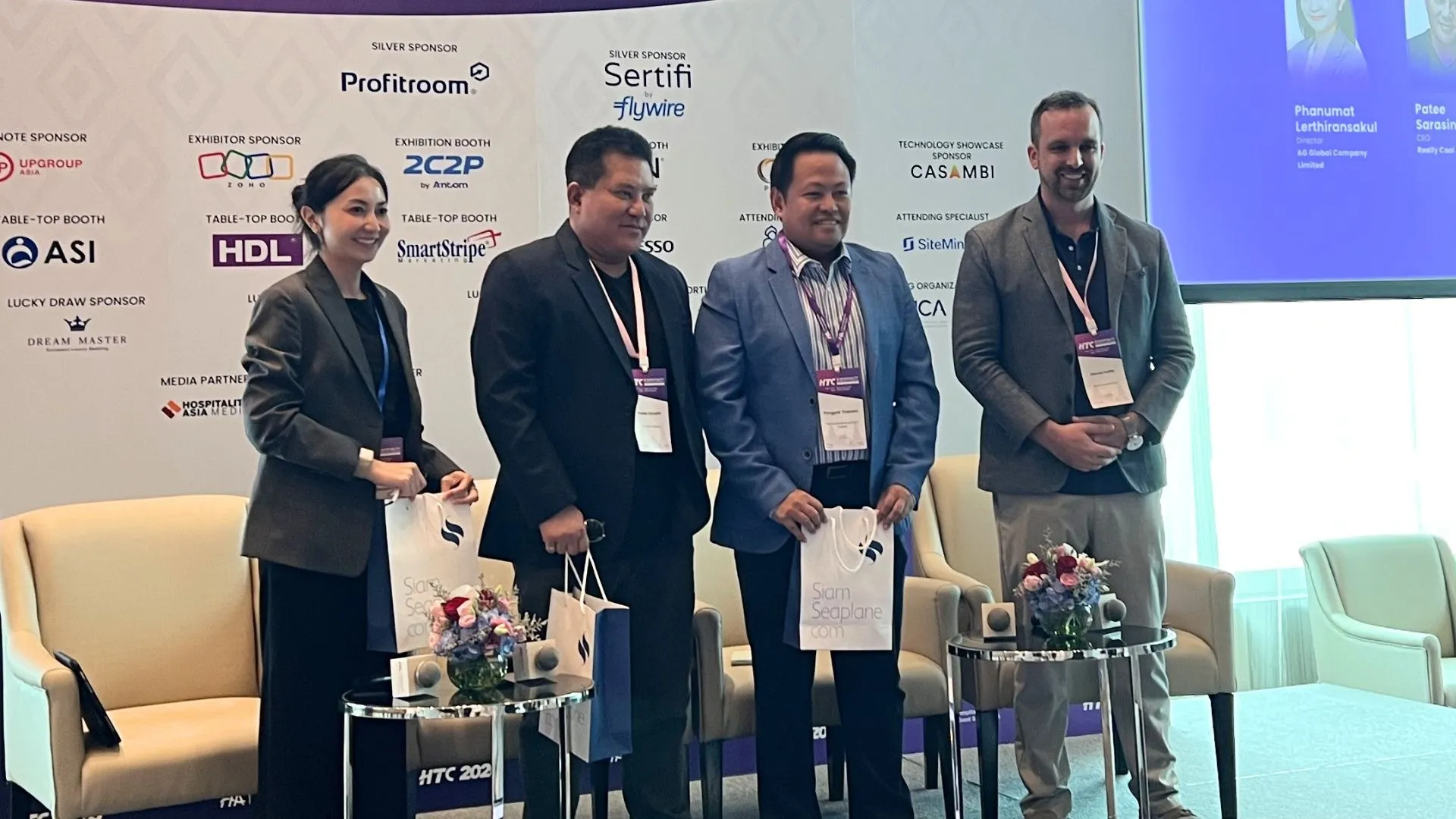
At the 5th Hospitality Thailand Conference 2026 , held on May 13–14 in Bangkok, hospitality, tourism, and aviation leaders gathered to explore the future of the industry under the theme, “Leading Hospitality Forward: Investing in Design, Driving Results.”
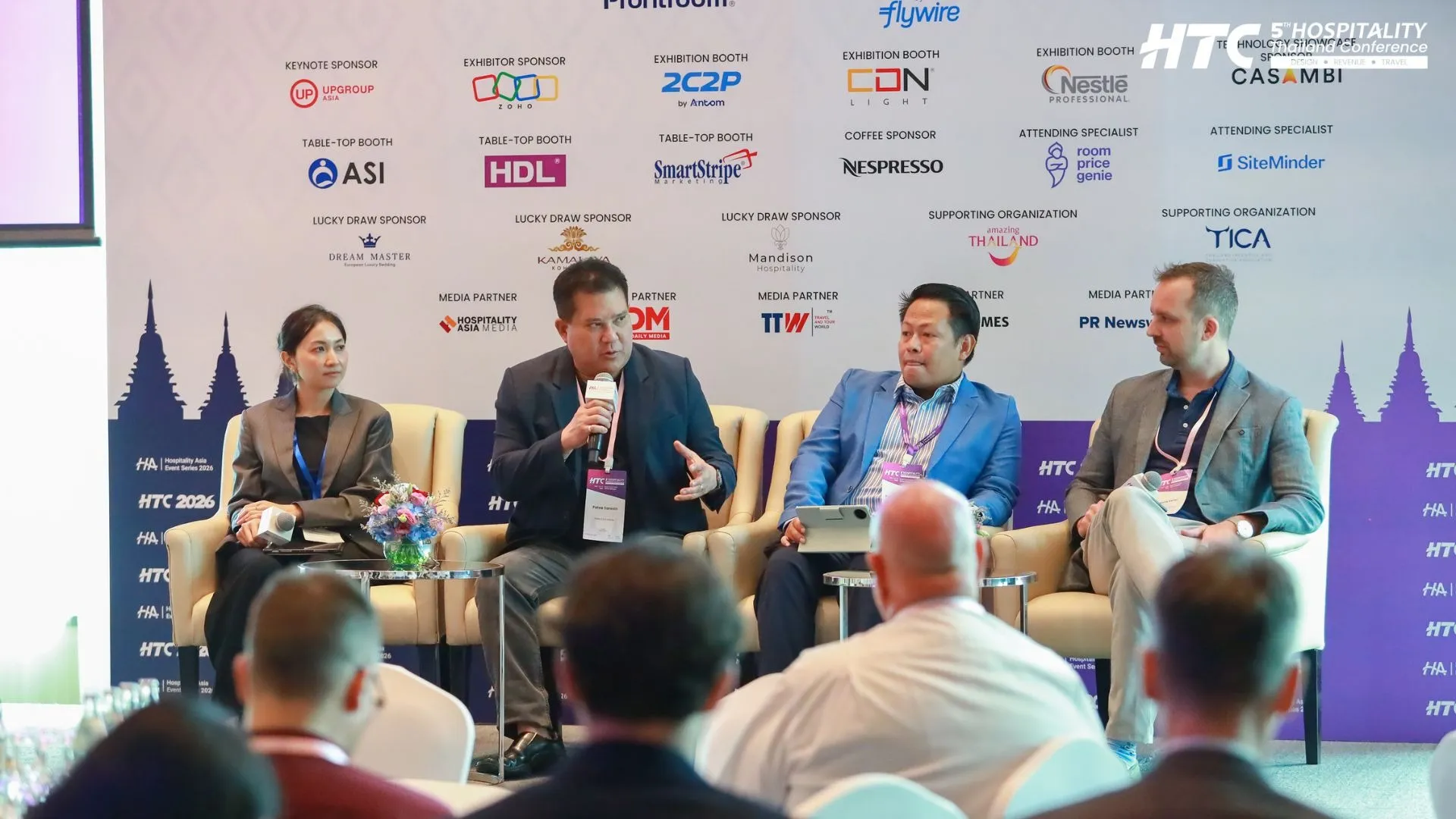
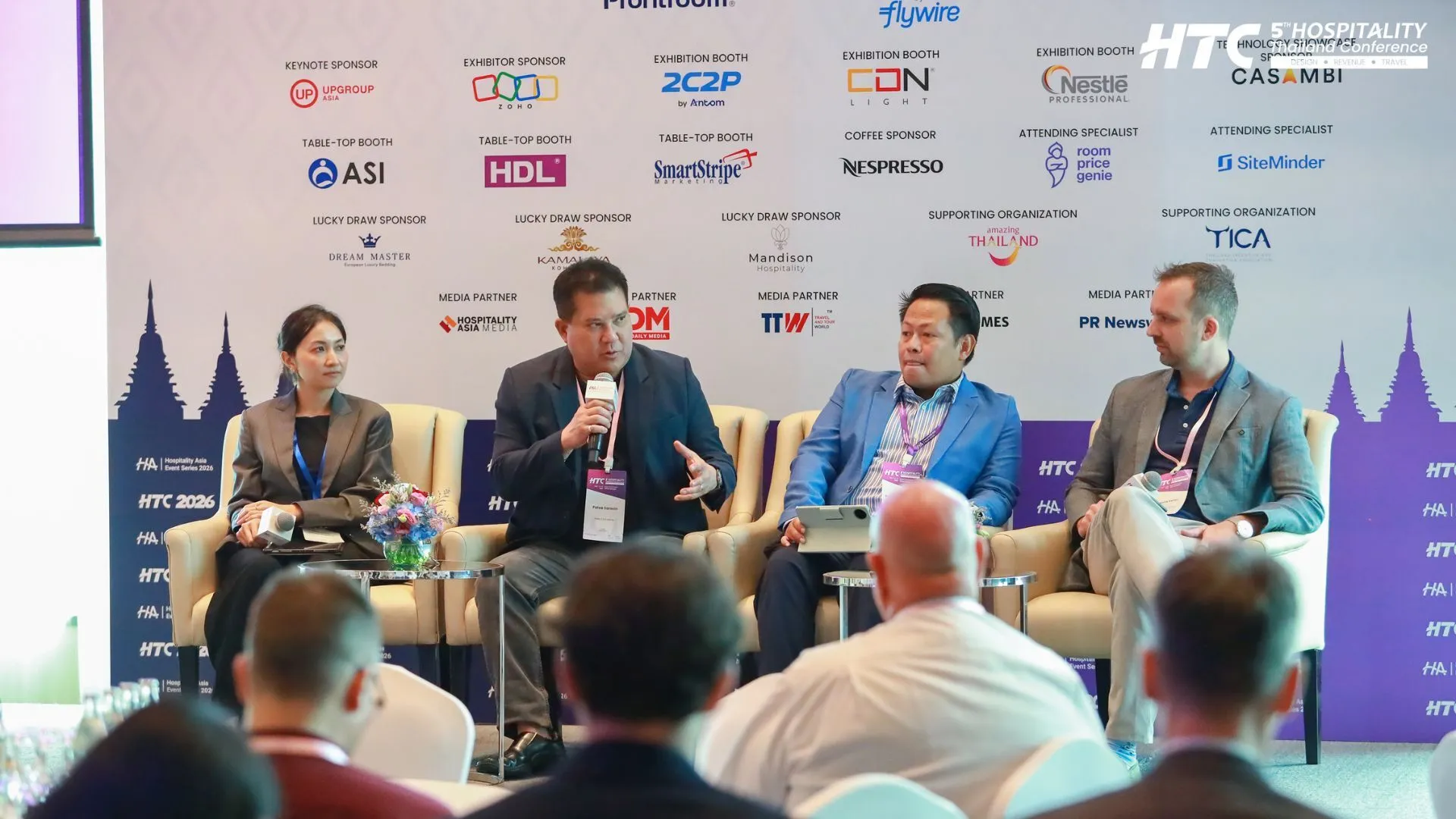
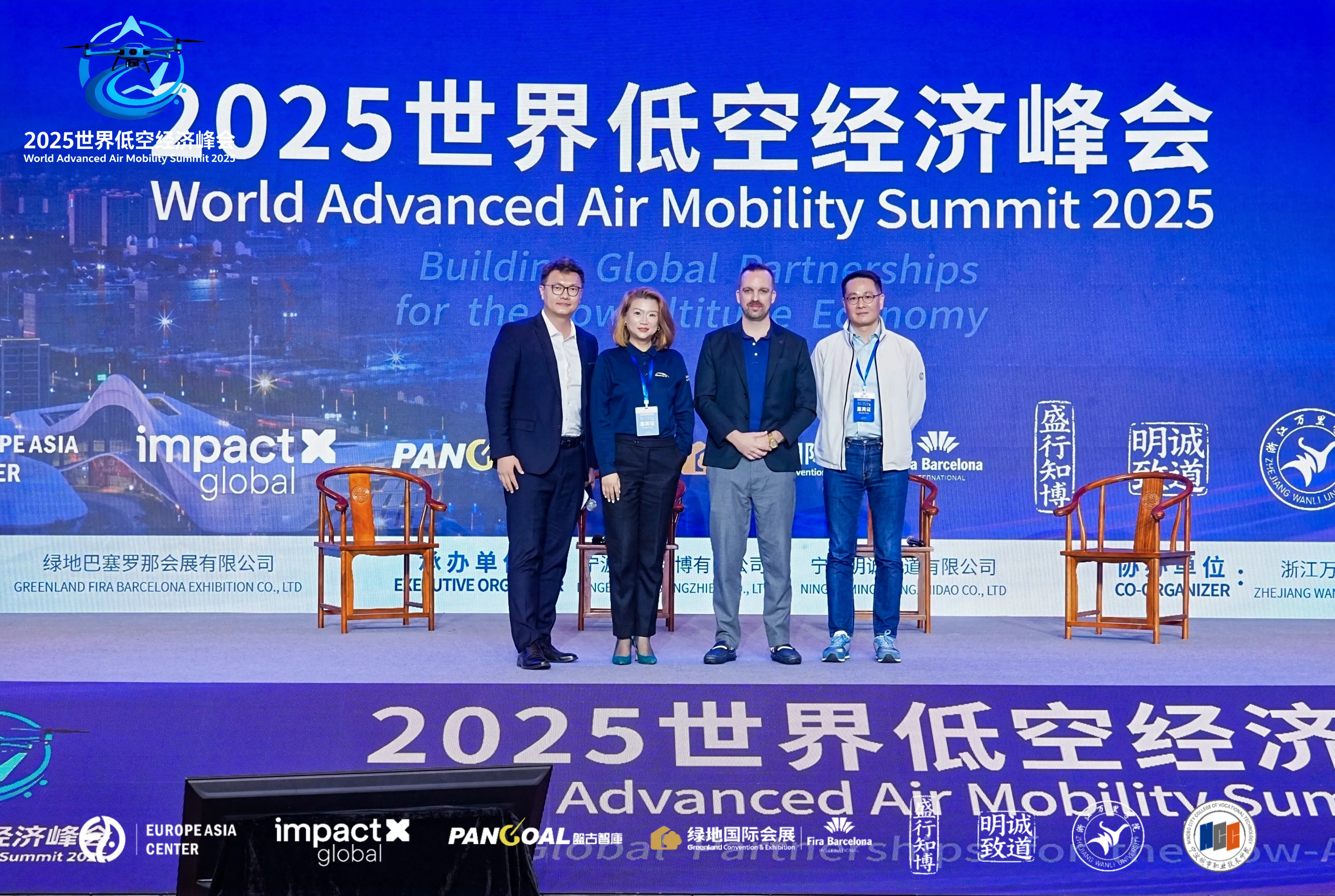
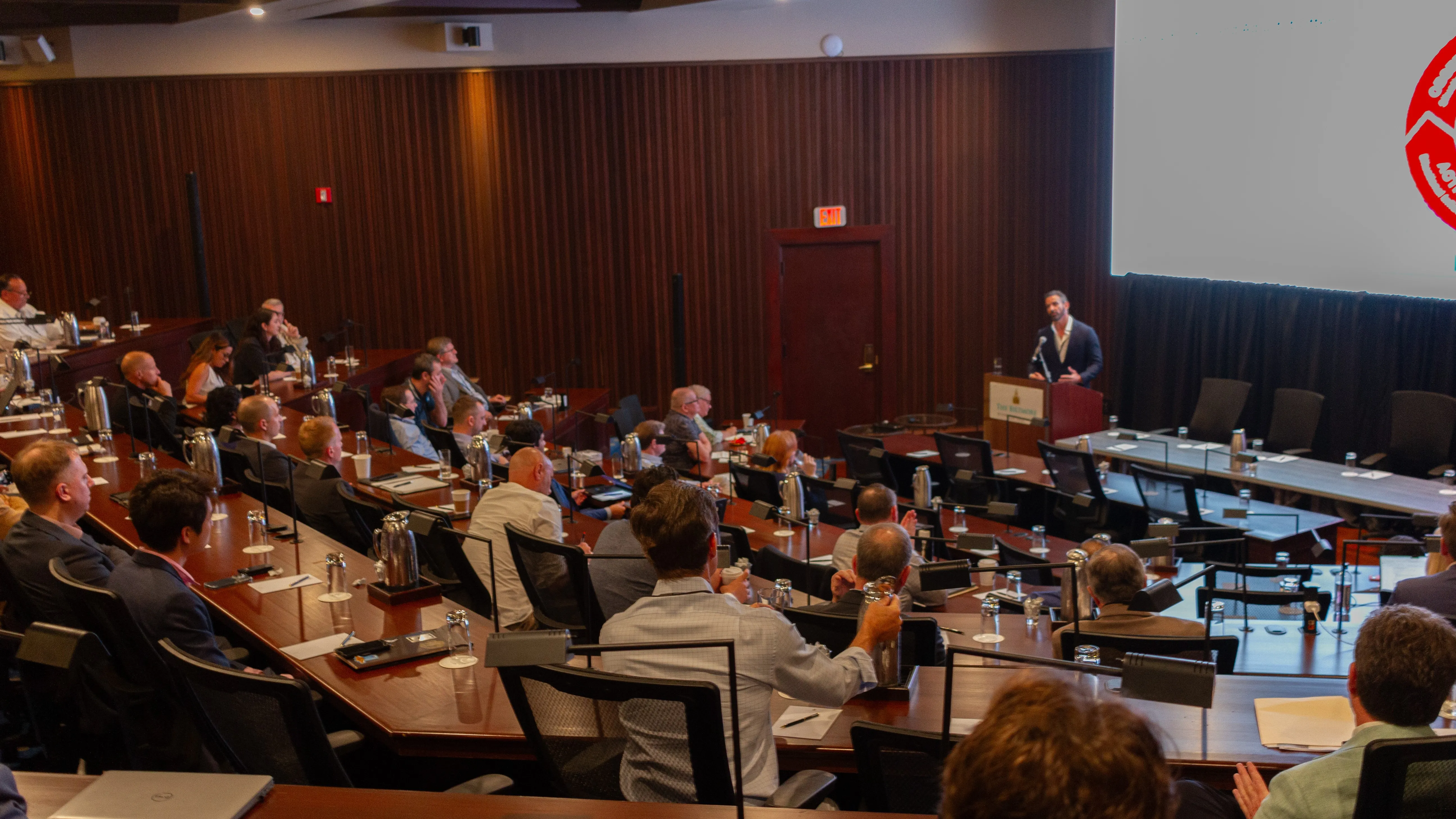
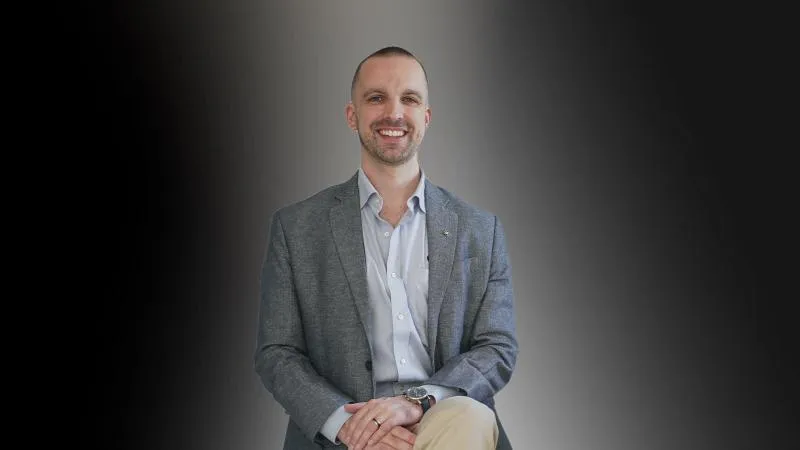
Phanumat Lerthiransakul, Director of Skydive Thailand, Patee Sarasin, Founder of Really Cool Airlines, Dr. Pongpat Thiensiri, Deputy Director-General of the Civil Aviation Authority of Thailand (CAAT), and Dennis Keller, CEO of Seaplane Asia
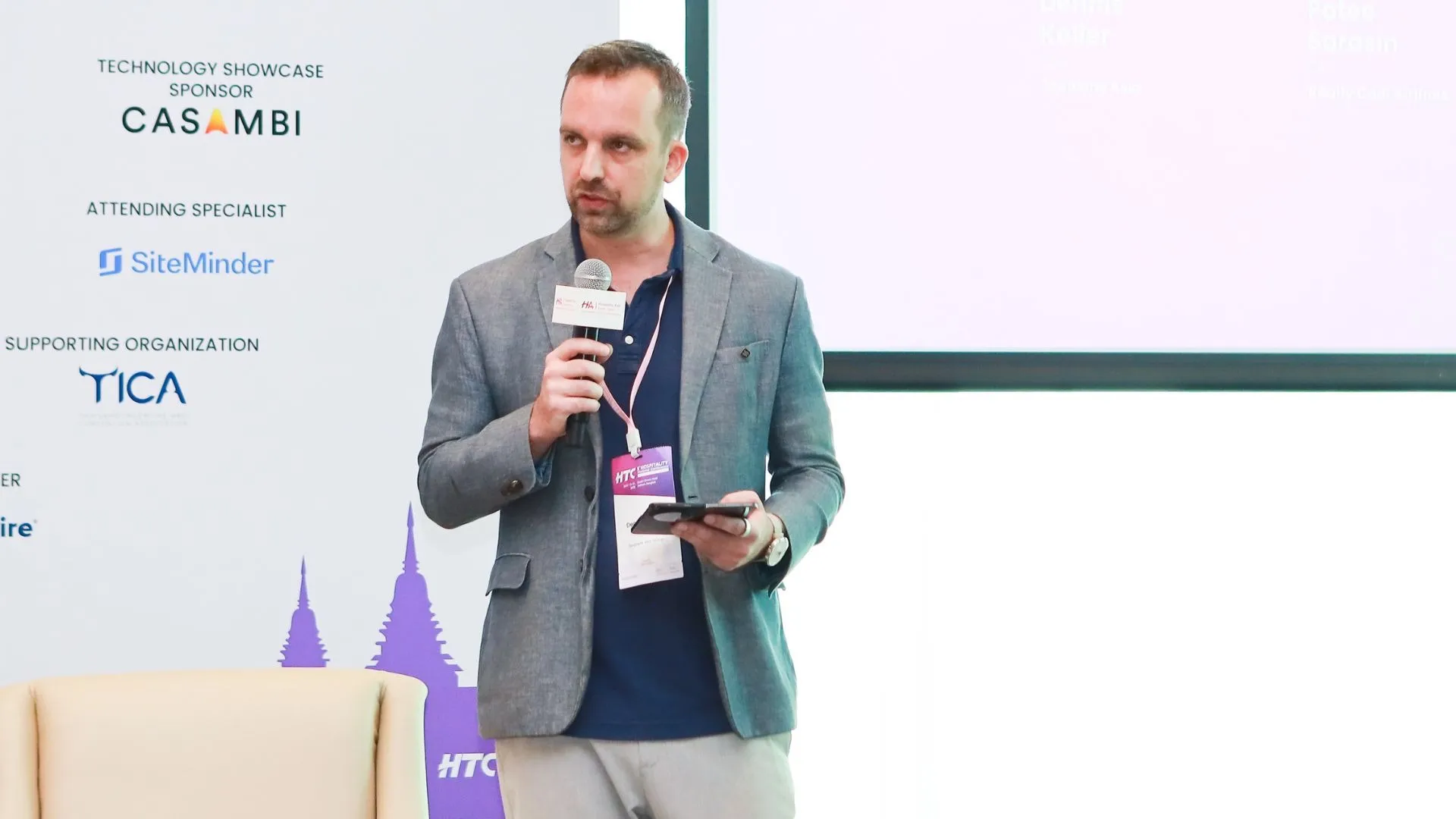
As part of the conference agenda, Seaplane Asia was delighted to participate in the session, “Transforming Thailand’s Aviation Infrastructure,” moderated by Dennis Keller, CEO of Seaplane Asia — Siam Seaplane’s parent entity. The panel featured key industry leaders including Patee Sarasin, Founder of Really Cool Airlines, Pongpat Thiensiri, Deputy Director General of the Civil Aviation Authority of Thailand, and Phanumat Lerthiransakul, Director of Skydive Thailand.
The discussion explored how Thailand can strengthen its position as a regional aviation hub through infrastructure development, innovation, sustainability, and stronger collaboration between the public and private sectors.
Opening the session, Dennis Keller highlighted the importance of combining Thailand’s hospitality strengths with forward-thinking aviation strategies.
“Thailand has a unique opportunity to redefine aviation experiences by combining world-class hospitality with innovation and emerging technologies,” he shared.
Throughout the panel, speakers addressed current industry challenges, including rising fuel costs, regulatory complexity, geopolitical uncertainty, and operational limitations impacting smaller aviation operators.
Patee spoke about the future of aviation as an experience-driven ecosystem, integrating airlines with hospitality, loyalty programs, and sustainable aviation fuel initiatives.
“The future of aviation is not just about transportation — it’s about creating memorable experiences,” he noted.
Representing the Civil Aviation Authority of Thailand, Dr. Pongpat shared updates on Thailand’s long-term aviation infrastructure plans, including airport expansion projects, AI-powered passenger systems, and improvements in multimodal connectivity.
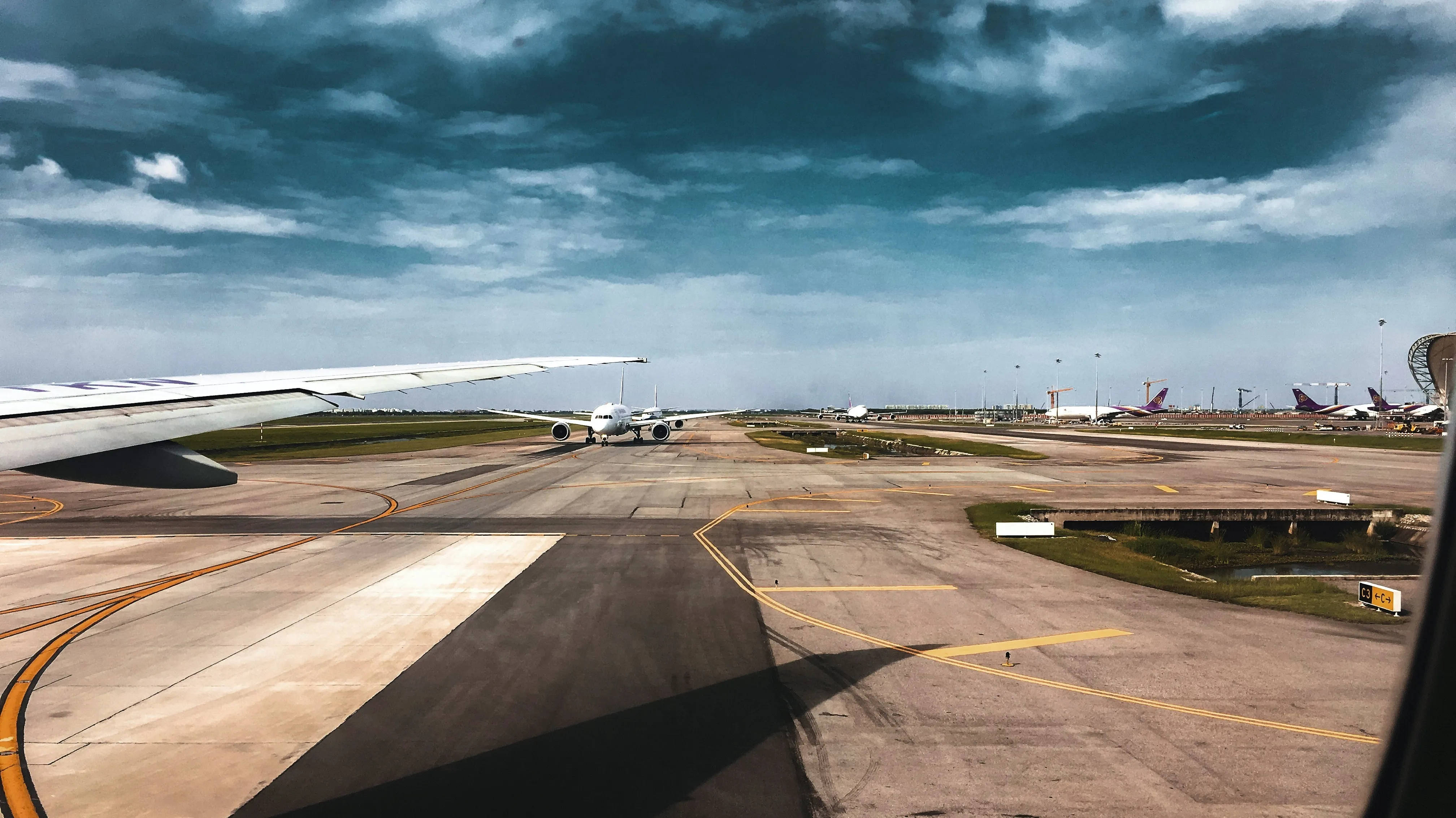
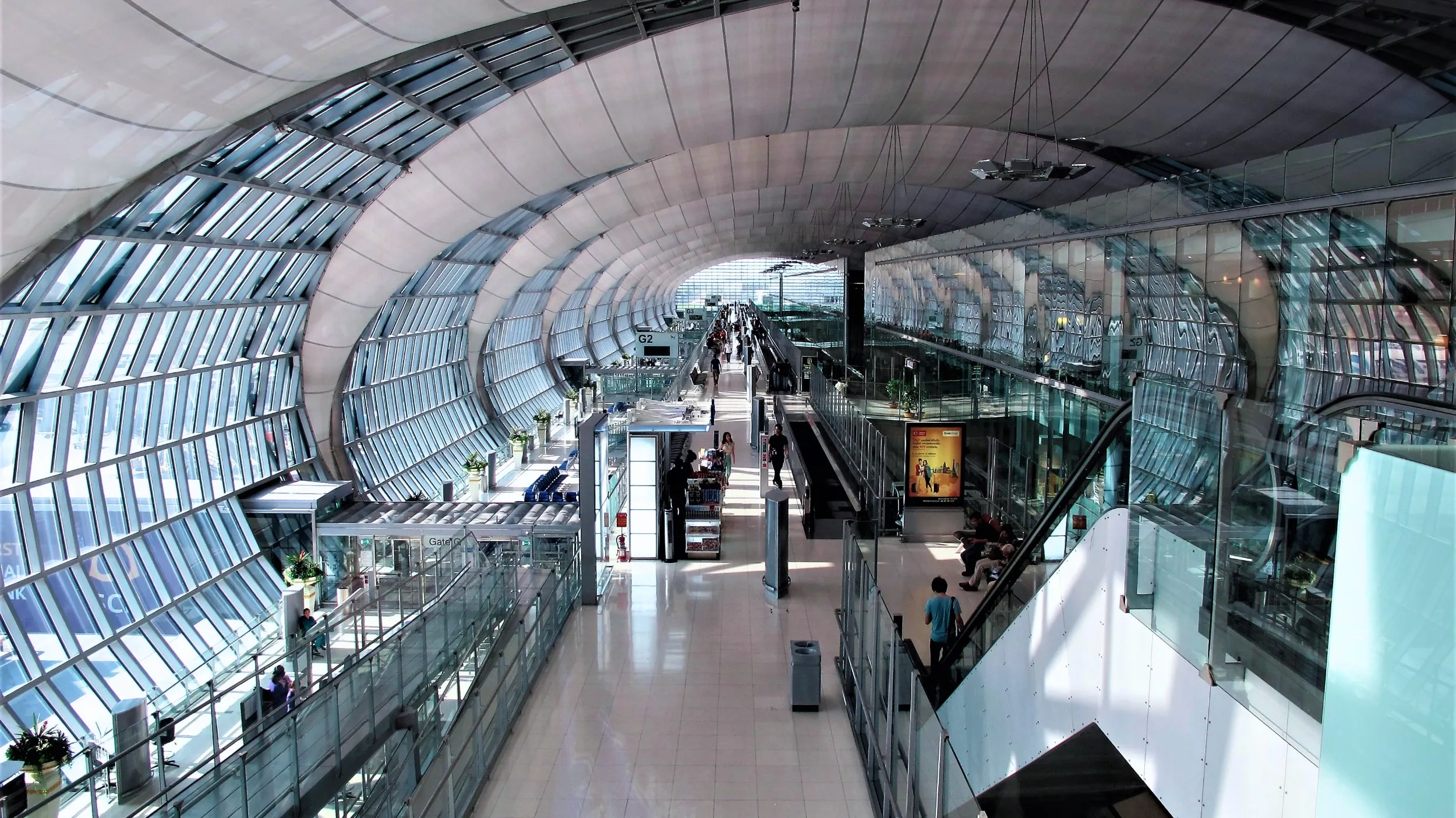
Key developments include the expansion of Suvarnabhumi Airport and Don Mueang International Airport, the development of U-Tapao International Airport as a third major hub, and future airport projects in the Andaman and Lanna regions.
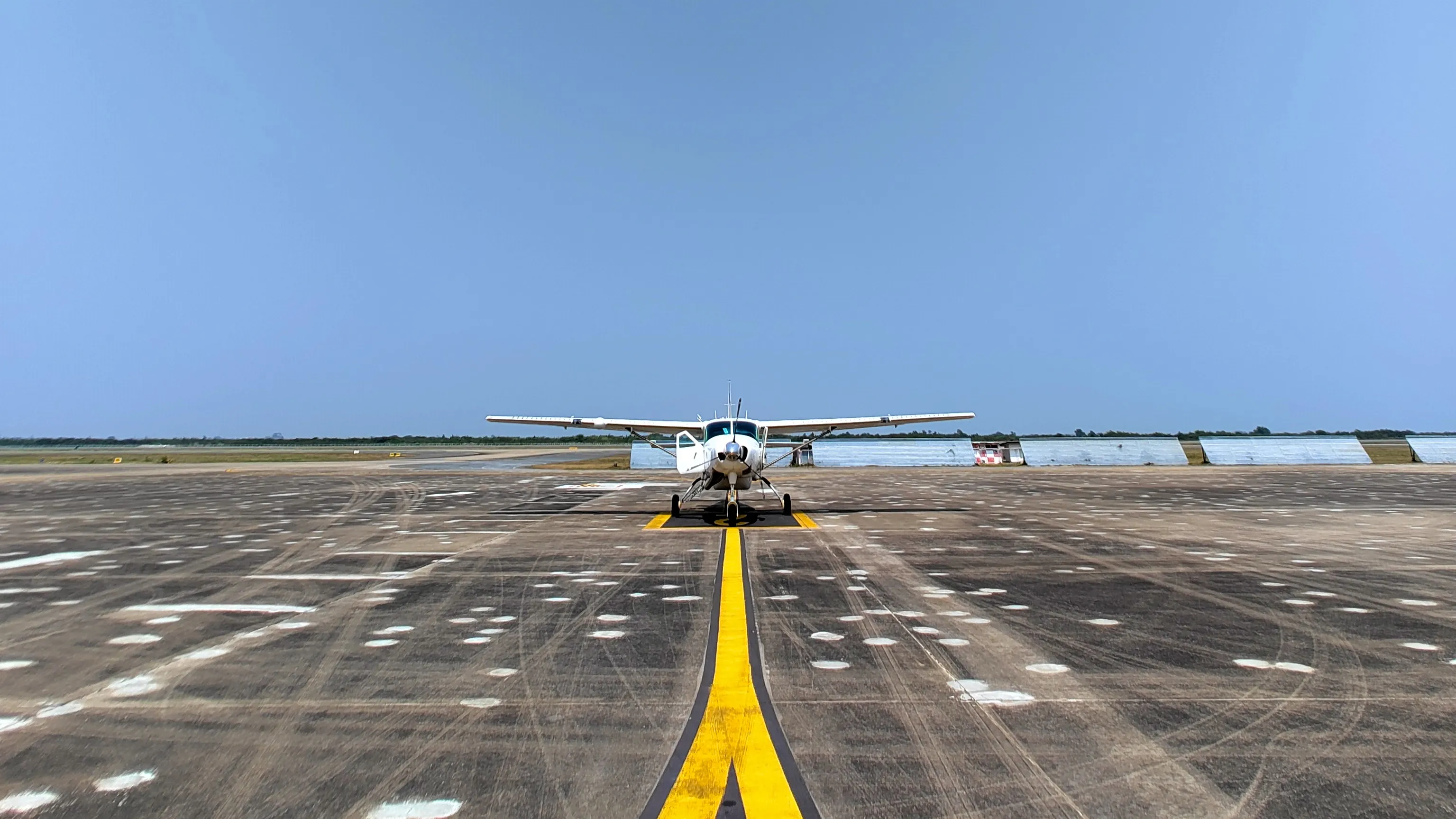
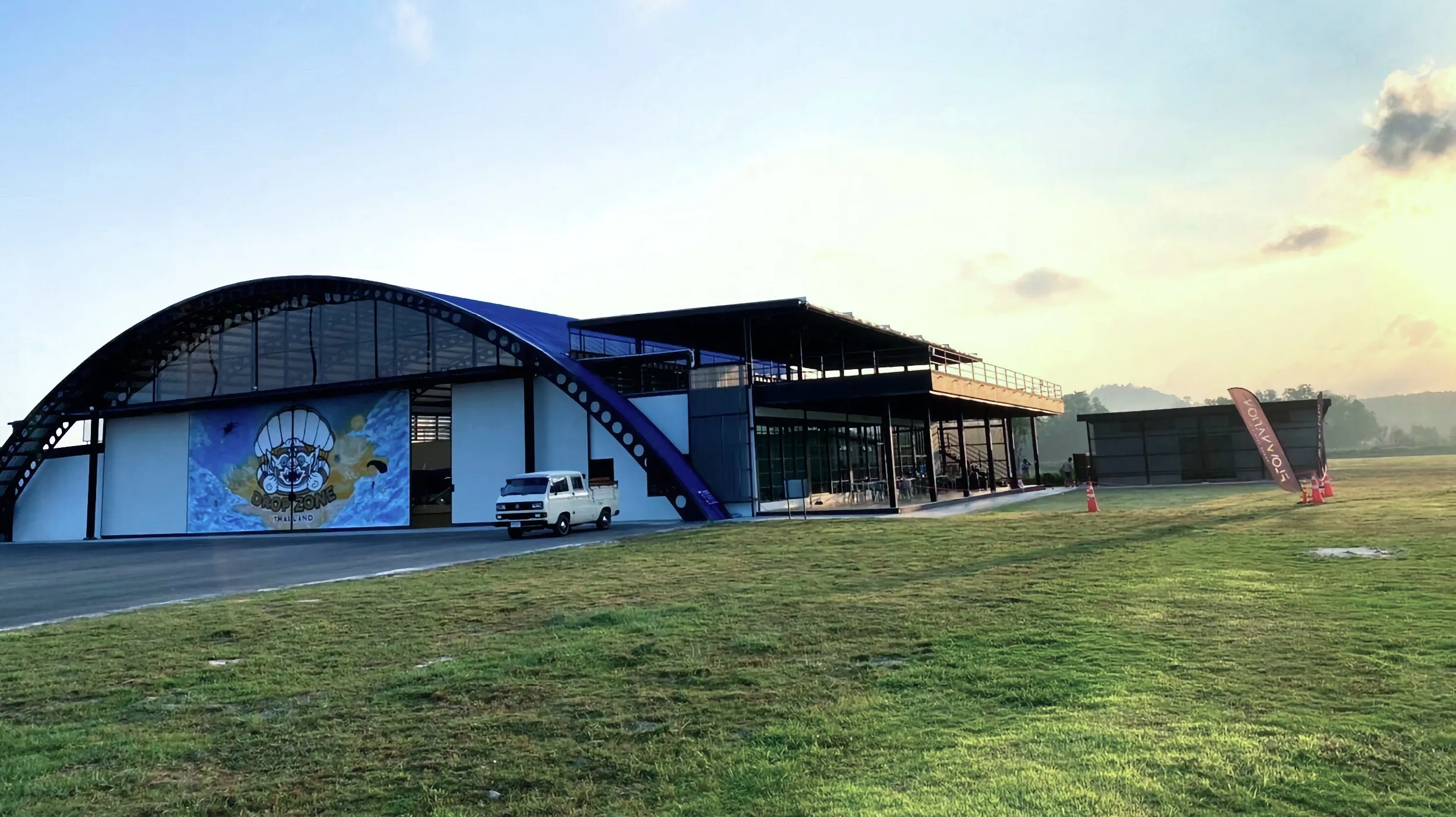
The session also highlighted the growing opportunities within Thailand’s general aviation sector. Phanumat emphasized the increasing demand for aerial tourism experiences such as skydiving, scenic flights, and aerial photography, while also addressing the need for more flexible infrastructure and operational support.
Panelists agreed that Thailand’s strategic location, hospitality culture, and innovation potential position the country strongly for future aviation growth. Sustainability was also a major focus, with discussions surrounding sustainable aviation fuel (SAF), electrification, and the future development of electric aircraft and eVTOL technologies.
The session concluded with a shared vision for a more connected, sustainable, and experience-driven aviation future for Thailand and the wider Southeast Asian region.
“The future of aviation is not only about building infrastructure, but about creating meaningful connectivity and elevating how people experience travel,” Dennis Keller concluded.
Looking ahead, Seaplane Asia remains committed to supporting the growth of Thailand’s aviation industry with a strong vision for regional connectivity and innovation. Through Siam Seaplane, Thailand’s first premium amphibious seaplane operator, the company continues to expand unique aviation experiences across the Kingdom, with its sister companies being present in markets such as Indonesia and Cambodia.
Stay Informed —
Join our inner circle for travel inspiration and exclusive news, as well as key announcements. We value your privacy and keep your details confidential. (Privacy Policy)
You're in. Expect monthly highlights, travel inspiration, and exclusive news straight to your inbox.
Related Articles
Exclusive Family Banking Privilege with LH Bank
An exclusive travel privilege for LH Bank Family Banking customers, featuring special fares on selected private charter flights with premium inclusions.
Read More
July 16, 2026
Article
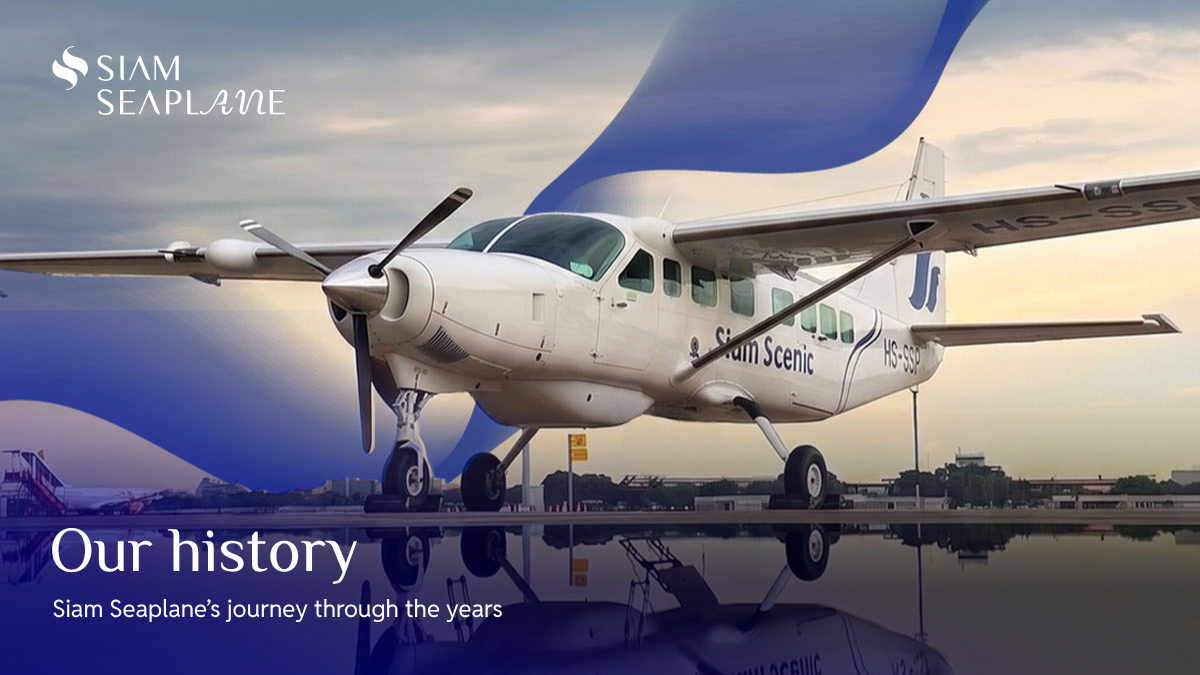
The History of Siam Seaplane: Building Thailand's First Premium Seaplane Operator.
When Siam Seaplane was founded in 2019, our vision was never just to launch flights. Our mission was to build Thailand's first premium amphibious seaplane and last-mile air charter operator with safety, transparency, and international standards at its core.
Read More
July 3, 2026
Post
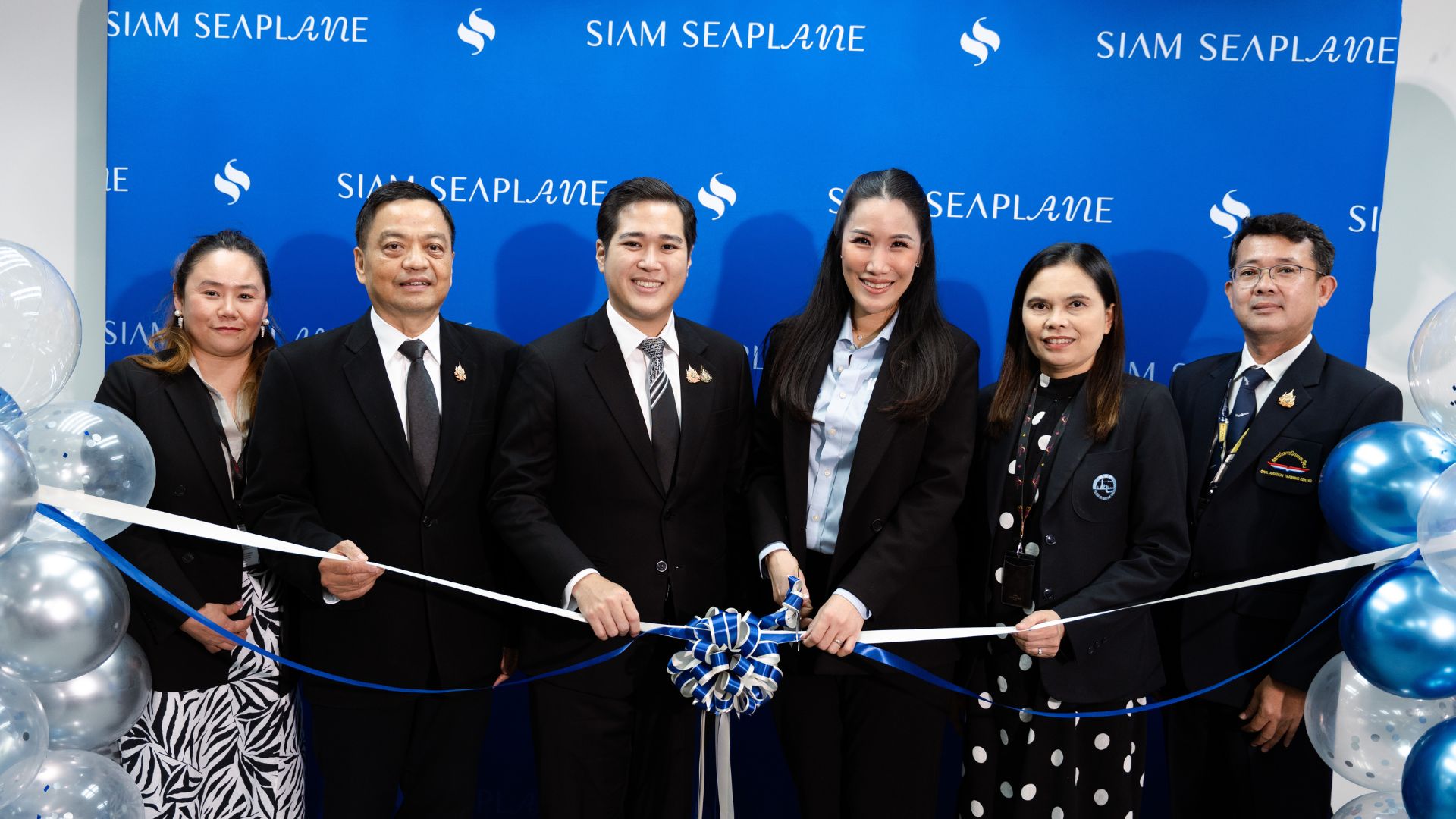
Our New Donmuang Office Opening
The new facility strengthens private aviation, celebrates historic Thai pilot certifications, and sets the stage for the nation’s first commercial amphibious seaplane network.
Read More
June 10, 2026
Press Release
Our Brand Refresh Unveiled
Our brand evolution strengthens Seaplane Asia beyond aviation, building a connected ecosystem of travel and lifestyle.
Read More
June 18, 2026
Article
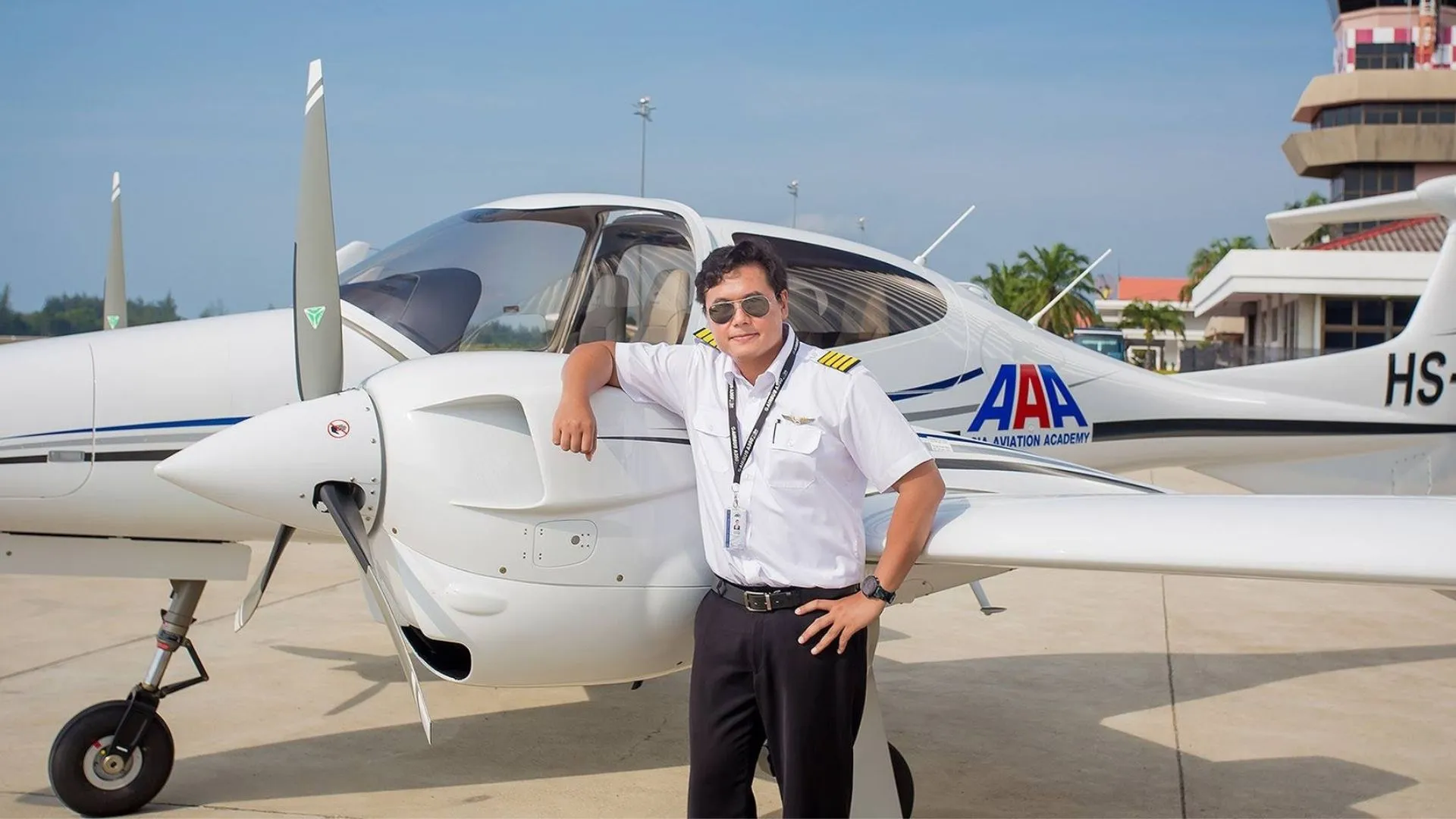
Meet the Team: Yo
From royal fleet engineer to seaplane operations safety leader: For Yo, aviation is not just a career. It is a lifelong calling.
Read More
June 17, 2026
Article
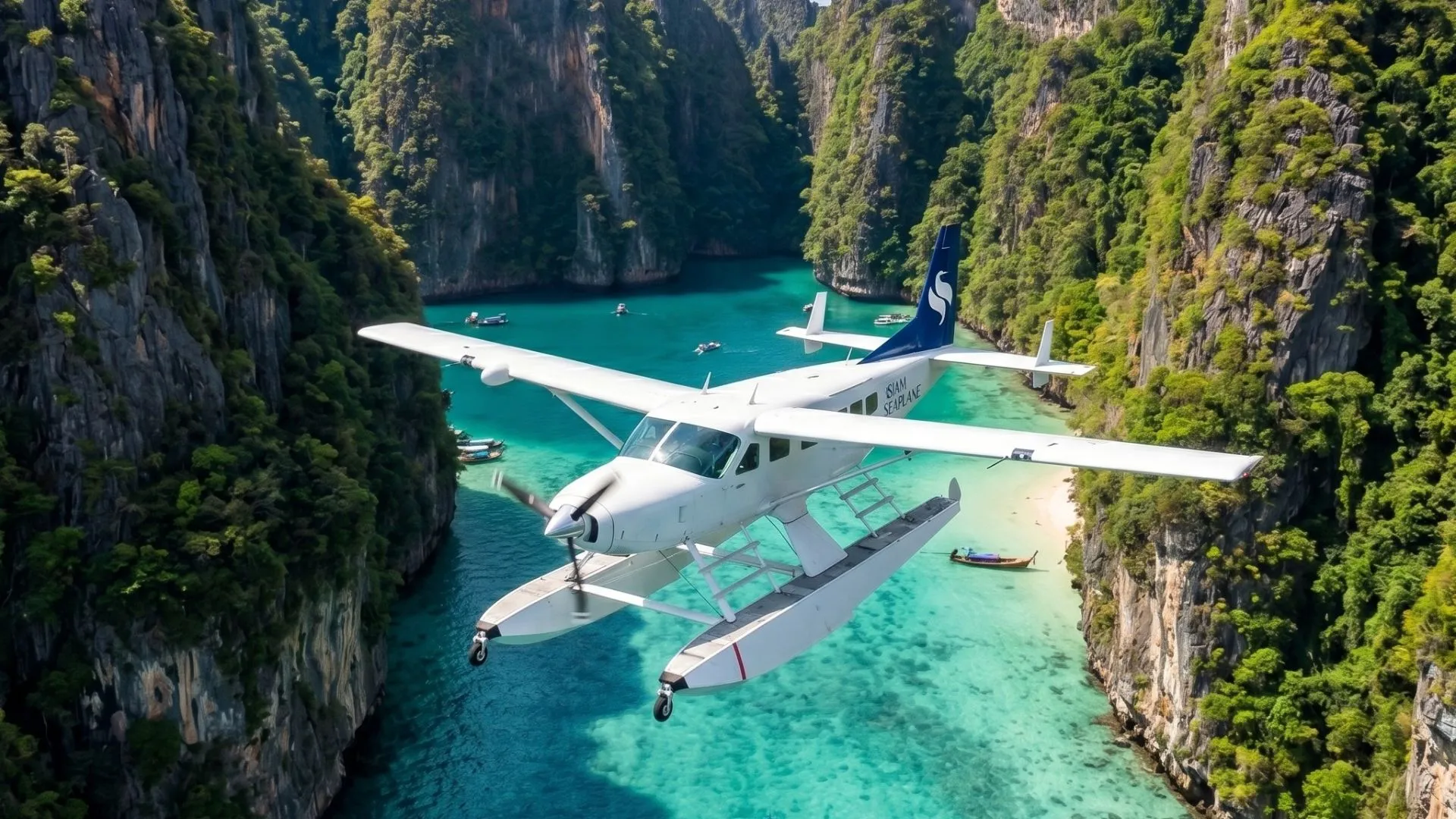
Thailand’s Seaplane Future - Krabi
A new chapter in Thailand's aviation and tourism landscape begins with the development of seaplane connectivity in Krabi.
Read More
June 17, 2026
Article
You agree to storing cookies on your device to enhance the experience. We do not track users. View our Privacy Policy for more information.






.webp)















.webp)






.webp)






.webp)





.webp)













.webp)




%20Large.webp)






-min.jpg)


X2%20Hua%20Hin%20LeBayburi%20Pranburi%20Villa_Exterior-min.webp)



.jpg)
.webp)



.webp)
.webp)

.webp)